Utah County UX System
Award-winning Government Transformation
- My Role
UX Lead
Full-stack Developer
- Timeline
May 2023 - Mar 2024
- Team
Leon Huang (Full-stack Developer), Kara Nosack (UI/UX Designer), Leena Kumar (Web Data), Michael Teuscher (Full-stack Developer), Daniel Bateman (Full-stack Developer), Brandon Davis (Project Manager)
Trust Deficit
Utah County Government (UCG) digital infrastructure supports 700,000 citizens, but it was failing. Accessibility issues and broken navigation across our 30+ public web applications eroded public trust, while costly post-launch fixes made the 25 internal departments skeptical of IT's capabilities.
My objective was to secure a modernization budget and implement a sustainable UX solution, I will pilot a high-impact UX project to gain trust, build the foundational tools for a UX operation, and scale the tools to all 25 departments.
01 Pilot
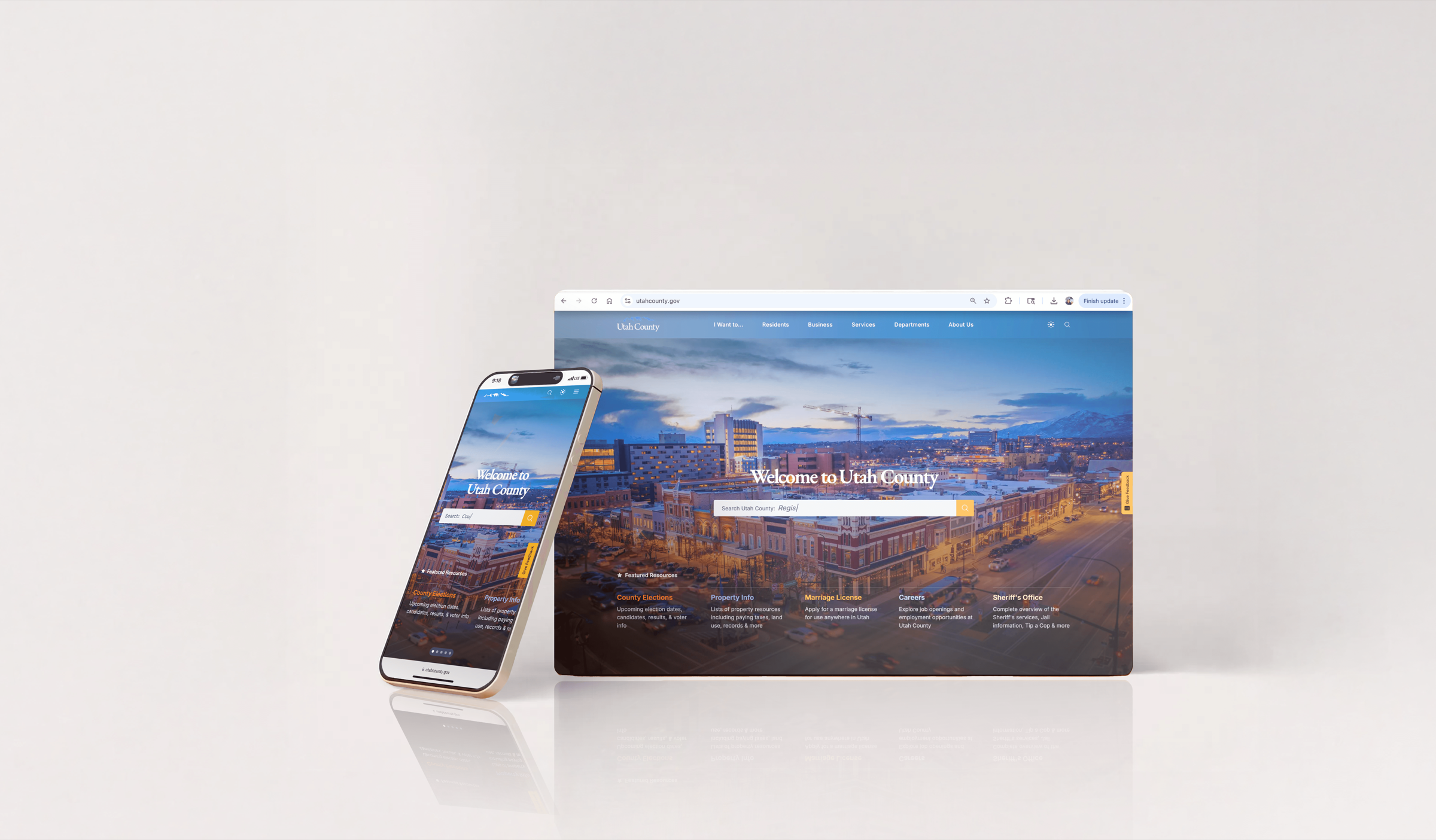
To rebuild trust and secure funding for a county-wide initiative, I had to first deliver a tangible win by proof of concept. I chose our most visible public asset—the main county website—as the pilot project to demonstrate the immediate impact of a user-centered design approach.
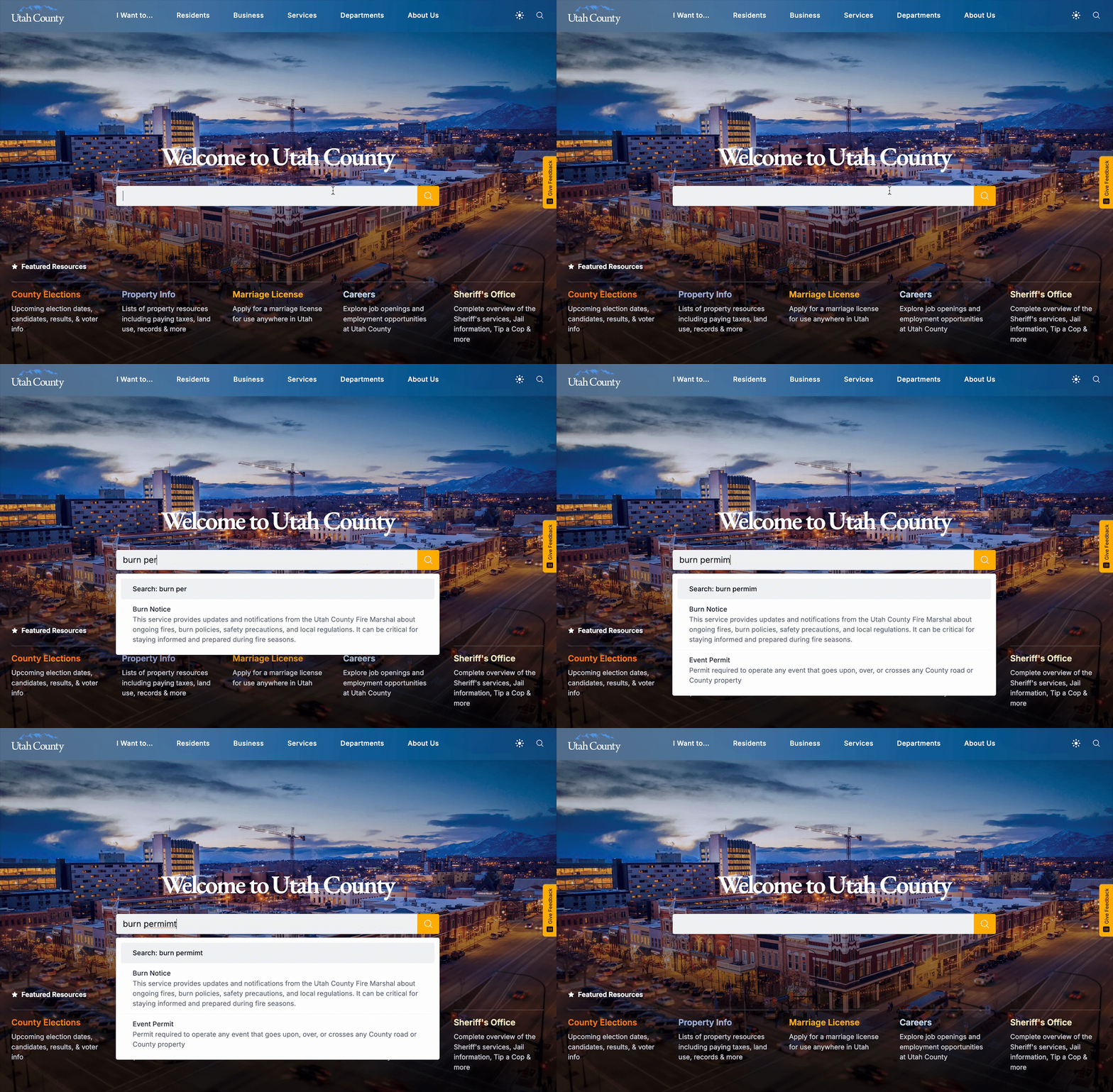
Task-Based Intuitive Navigation
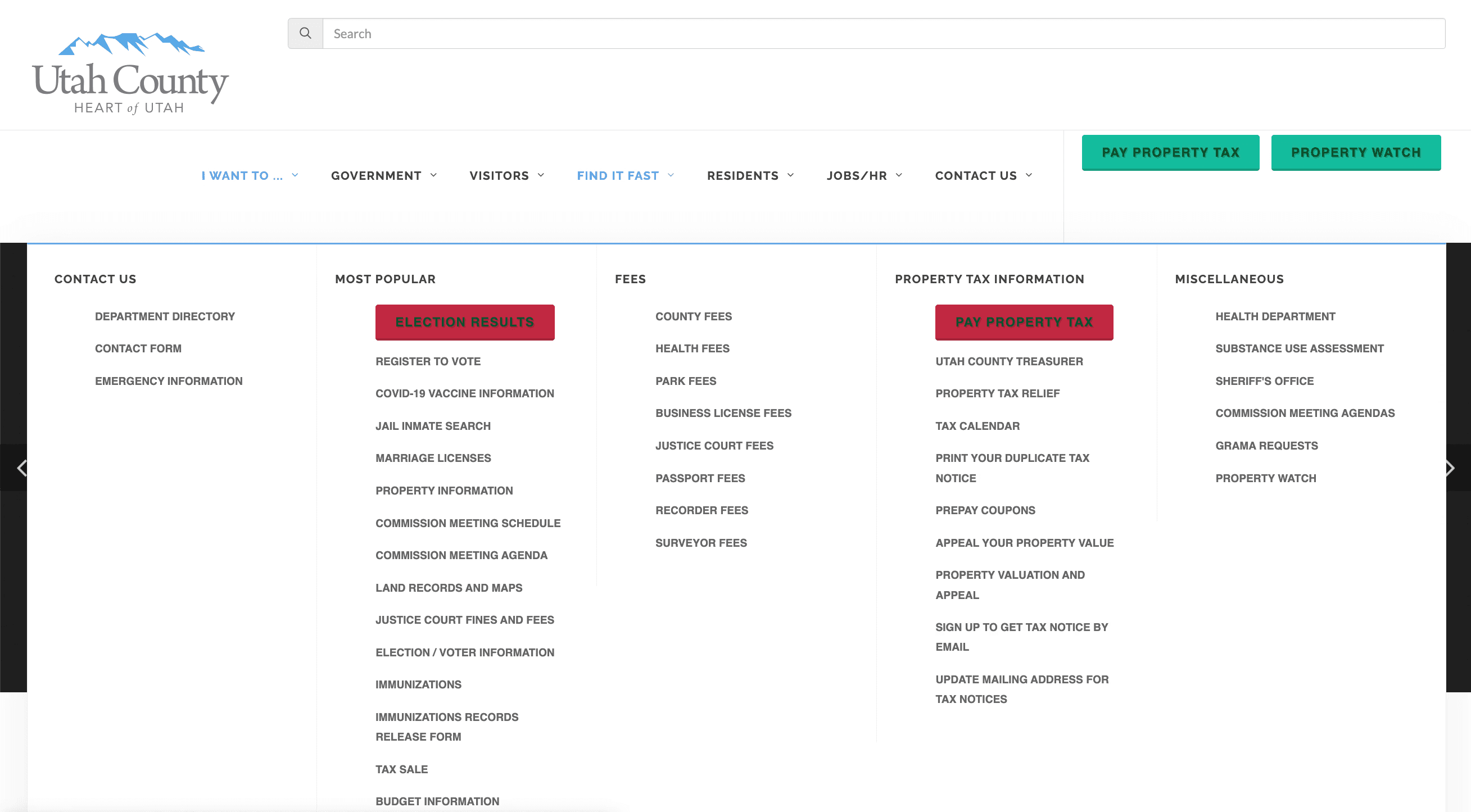
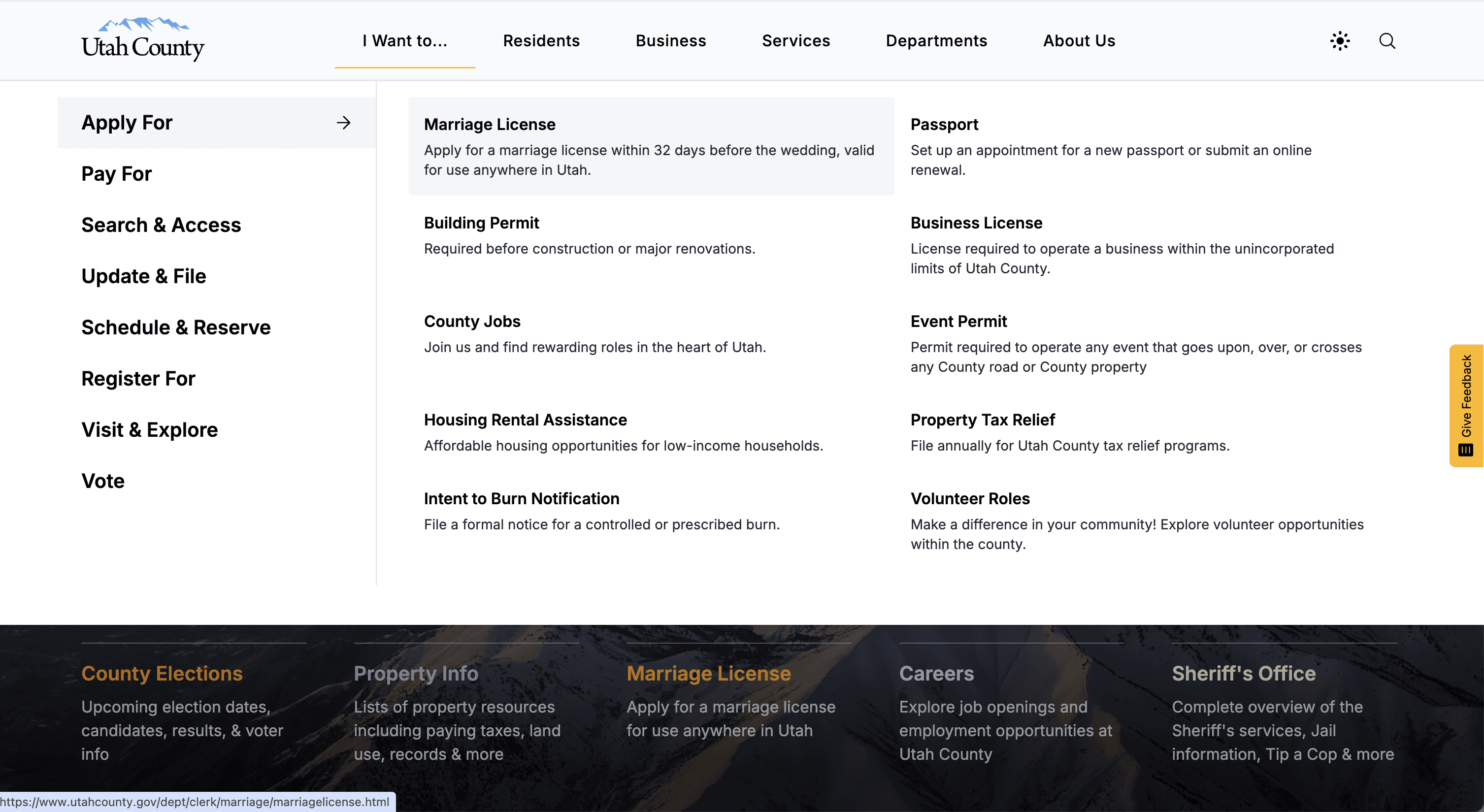 BeforeAfter
In-House AI-Powered Search
 Elasticsearch
 AWS Lambda
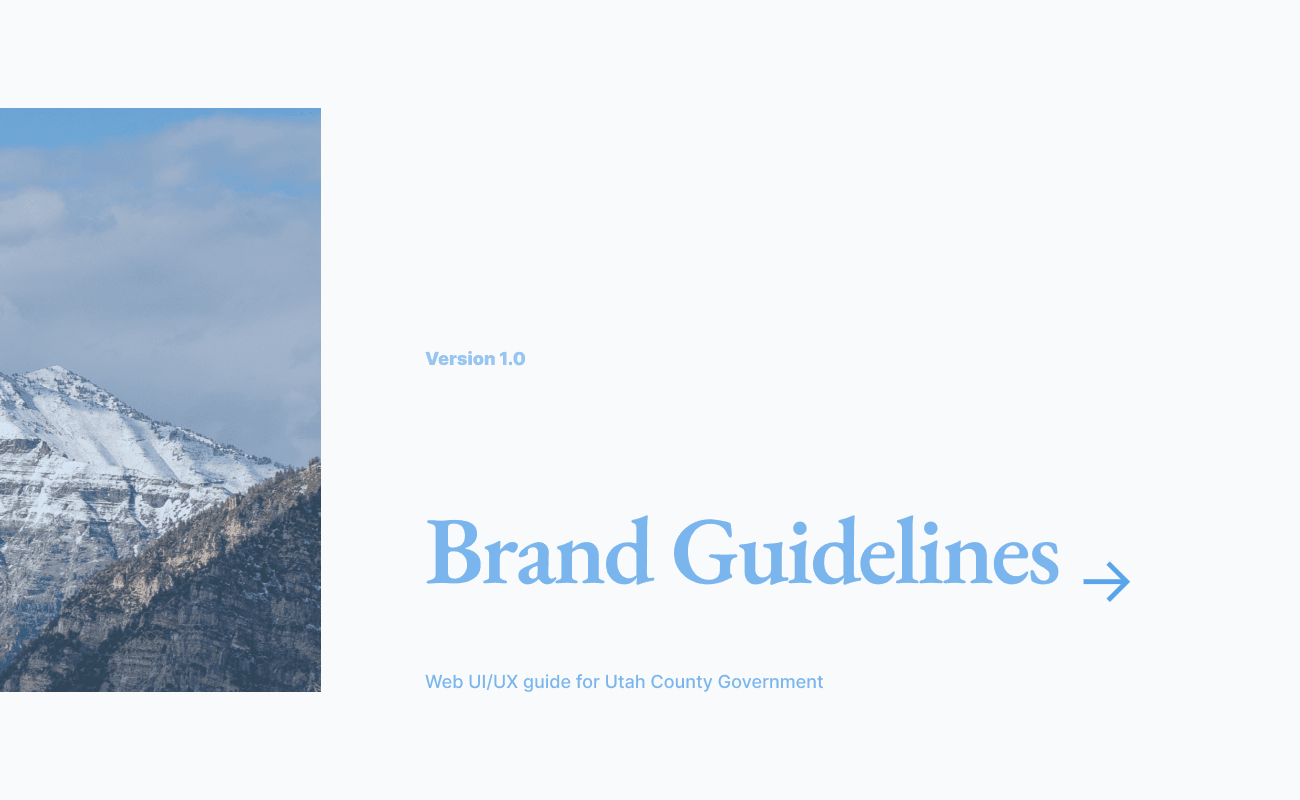
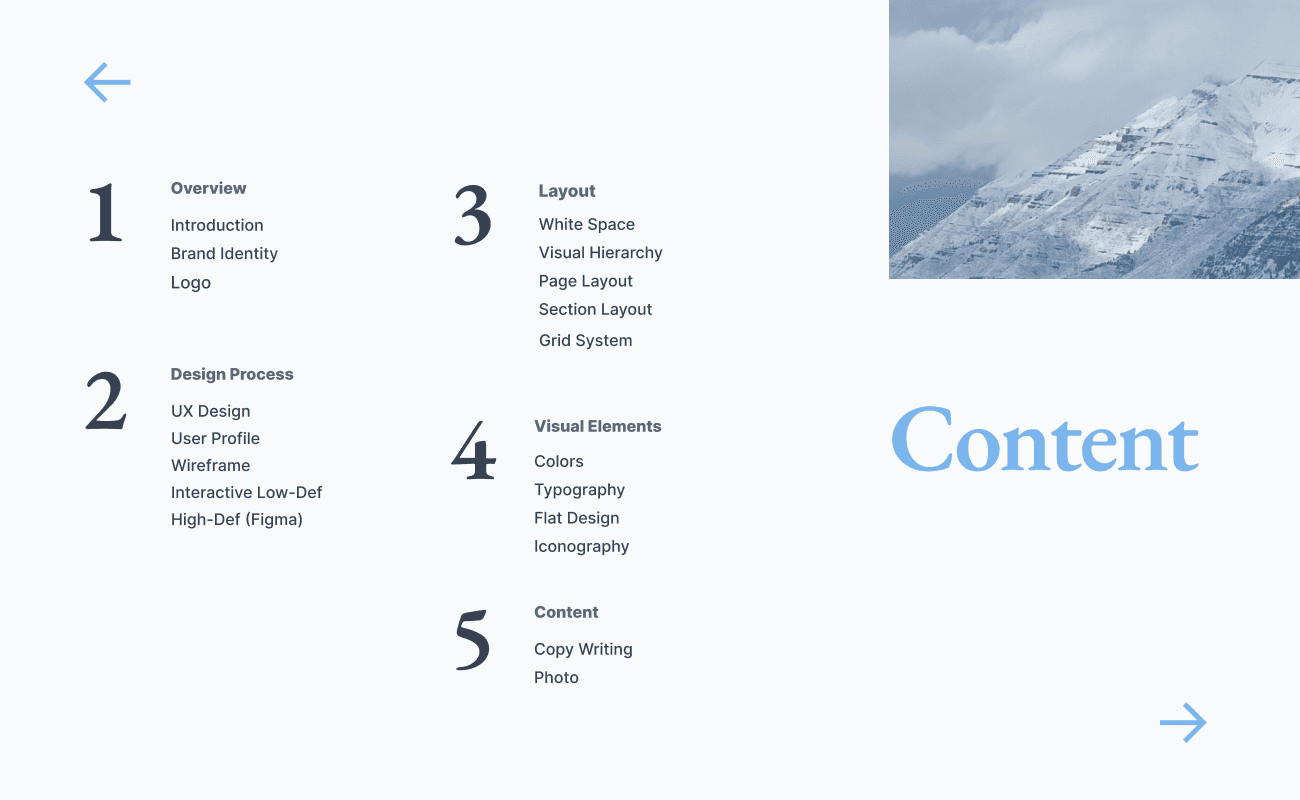
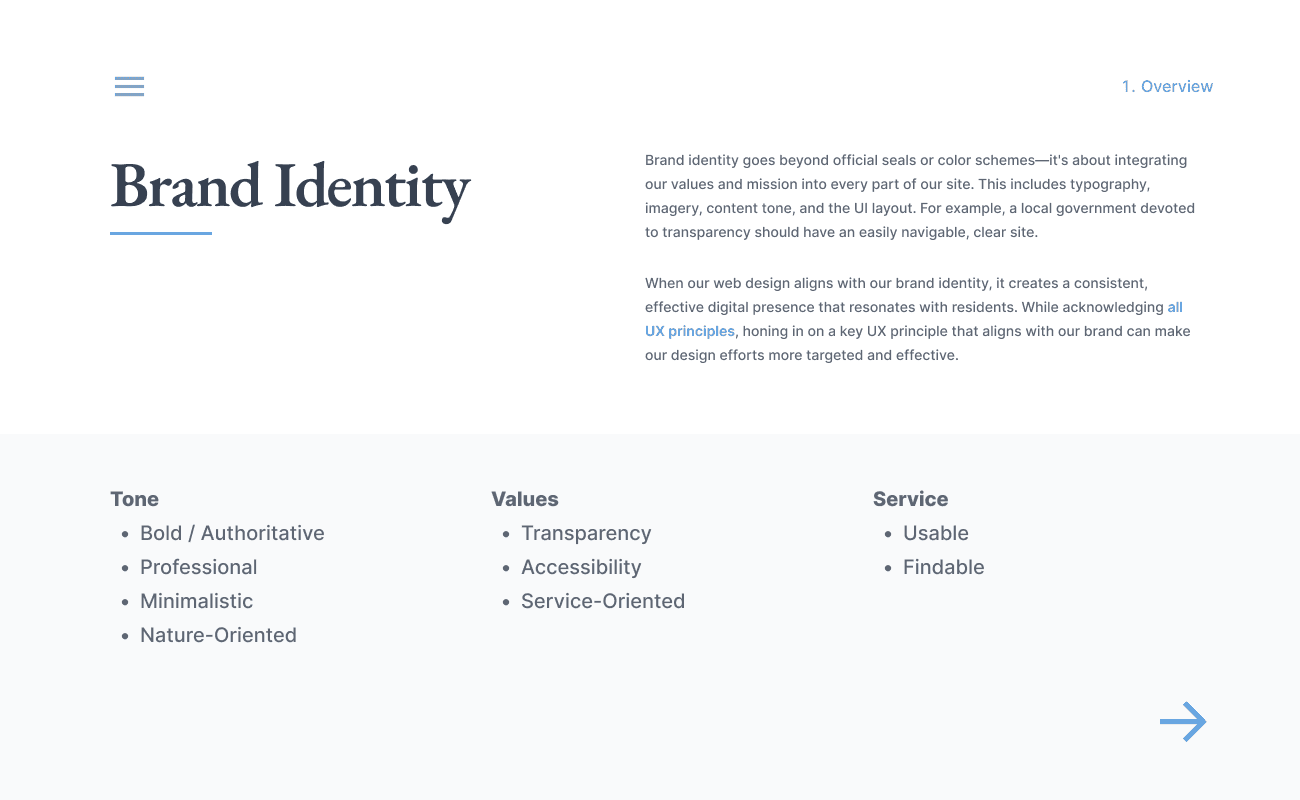
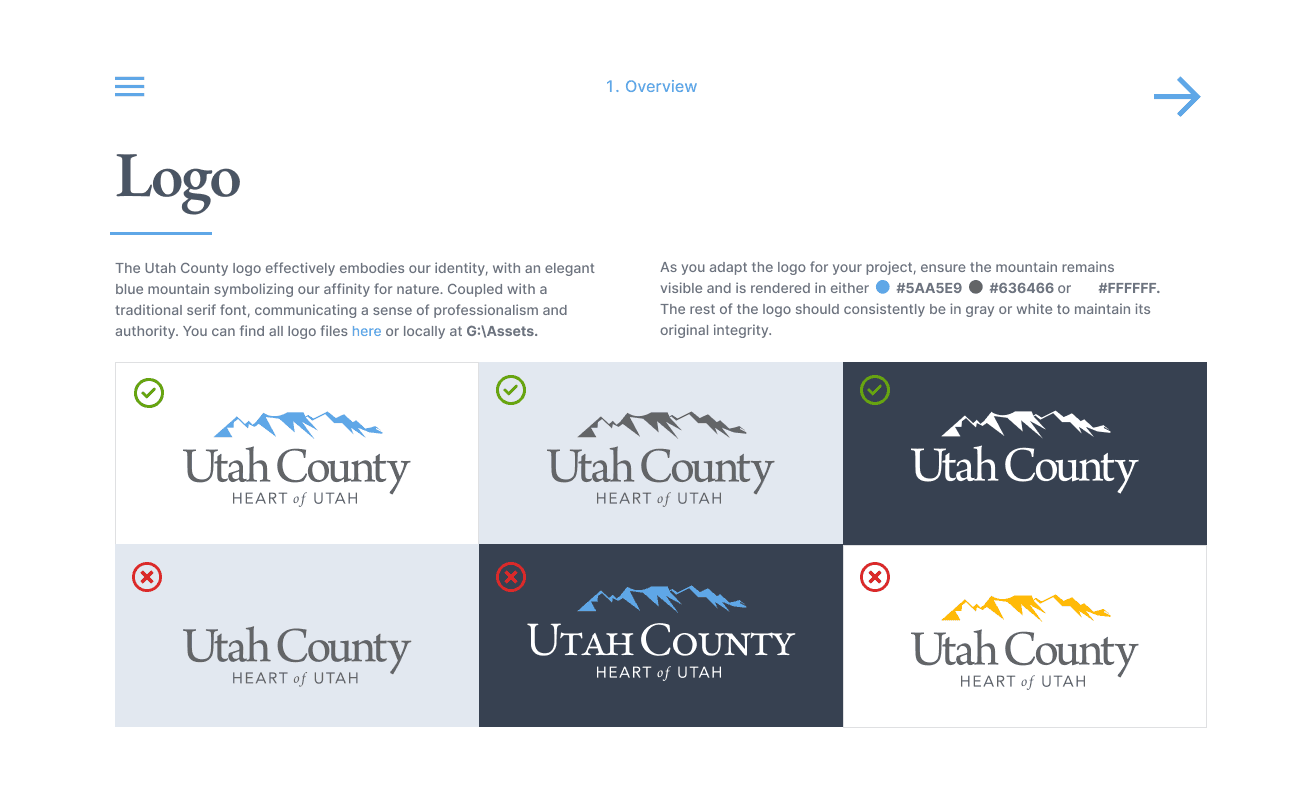
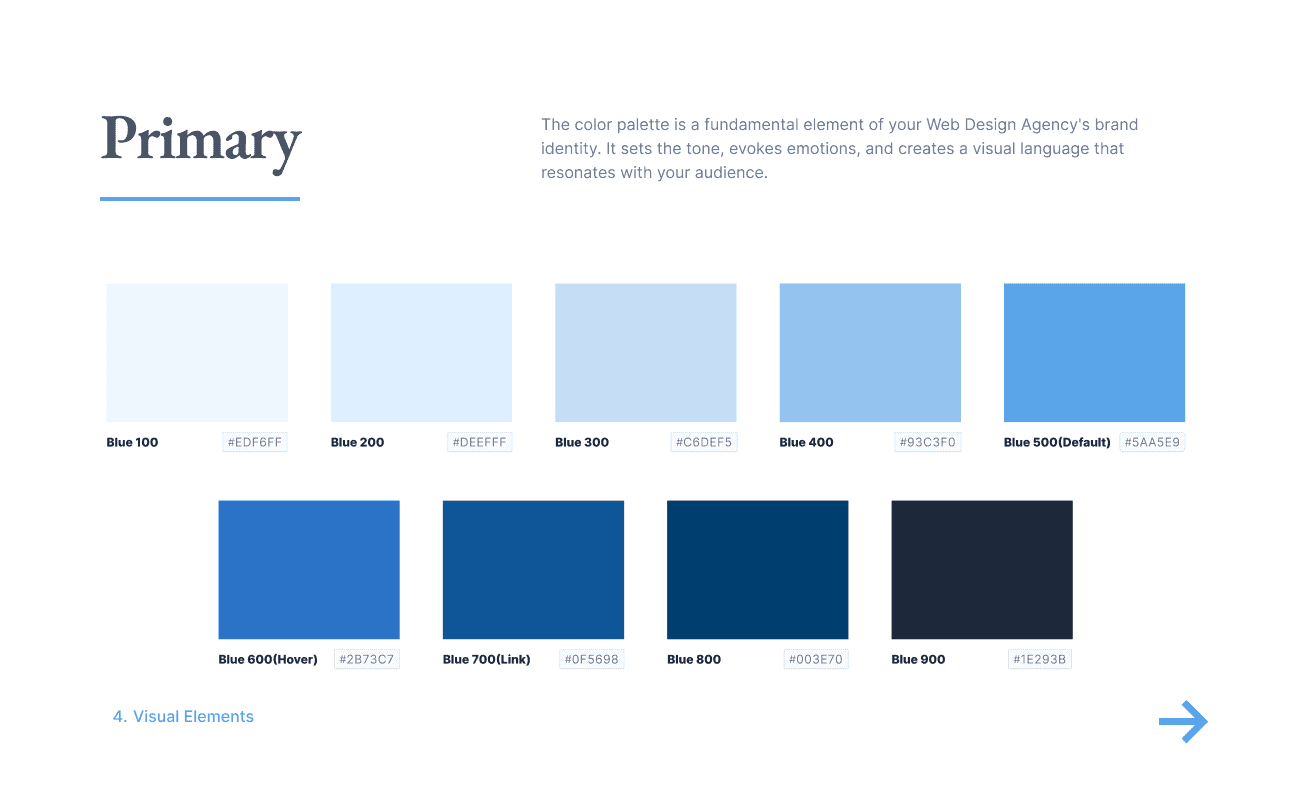
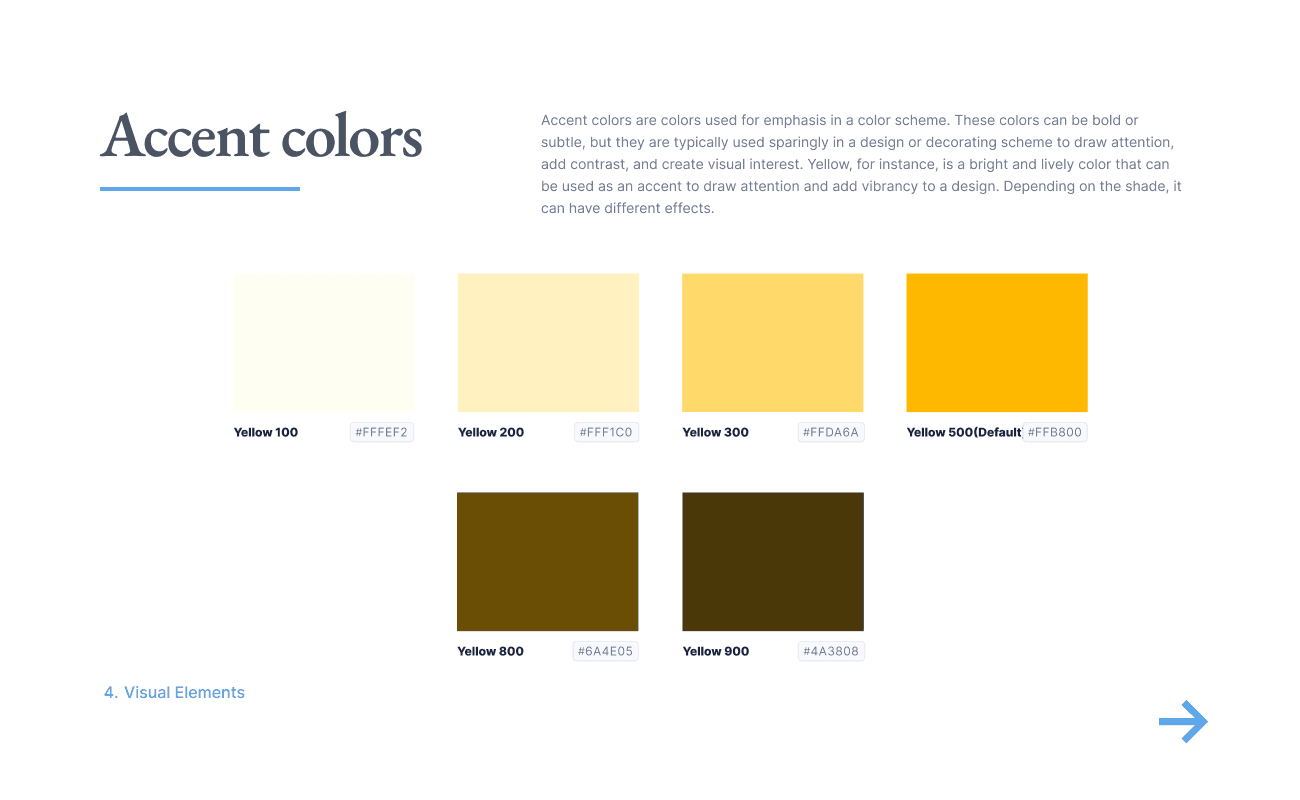
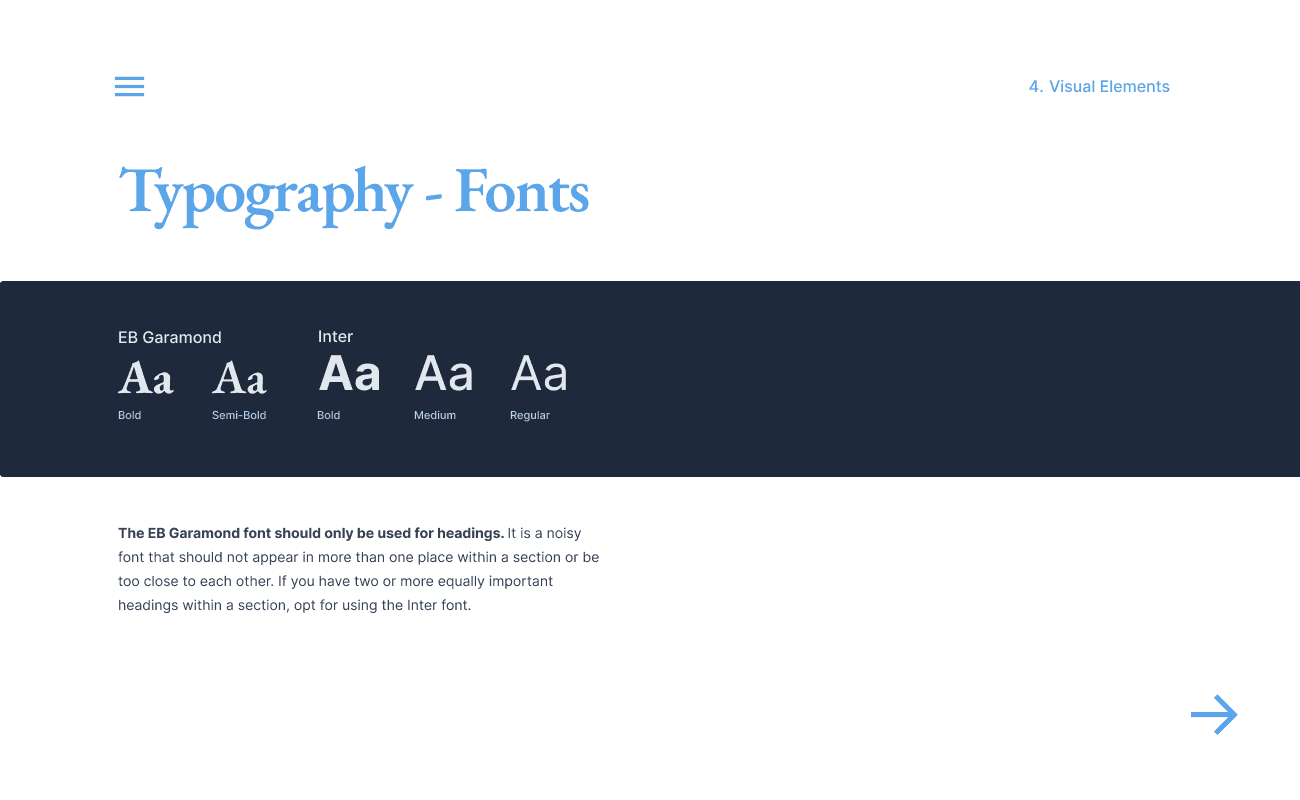
Foundational Style Guide
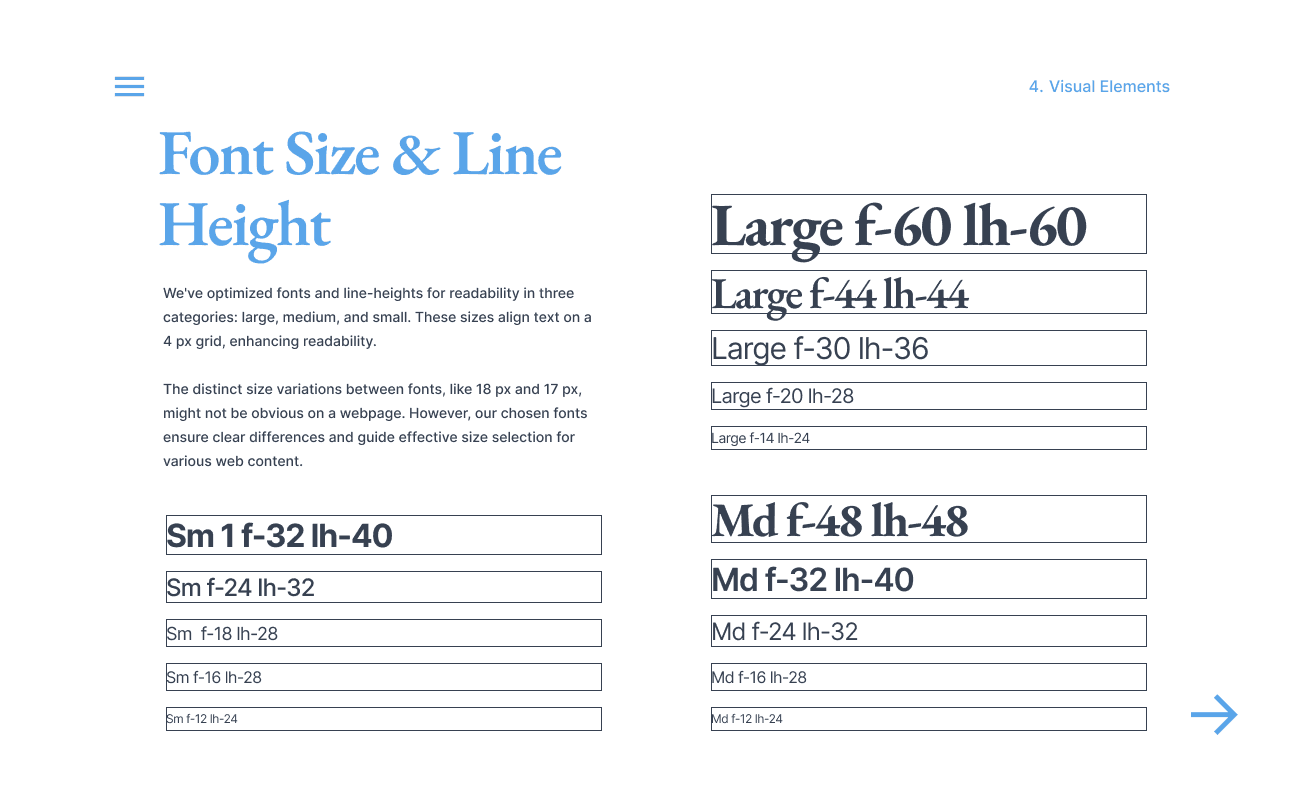
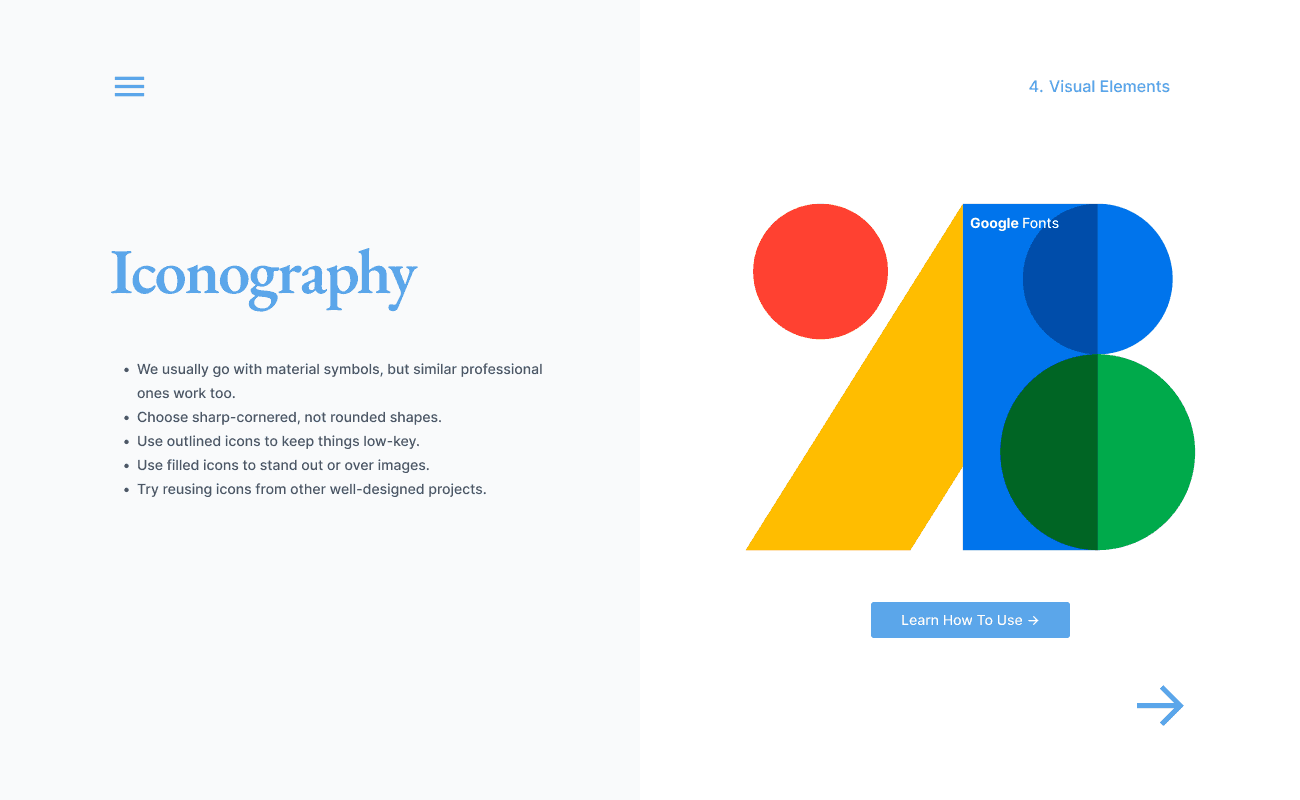
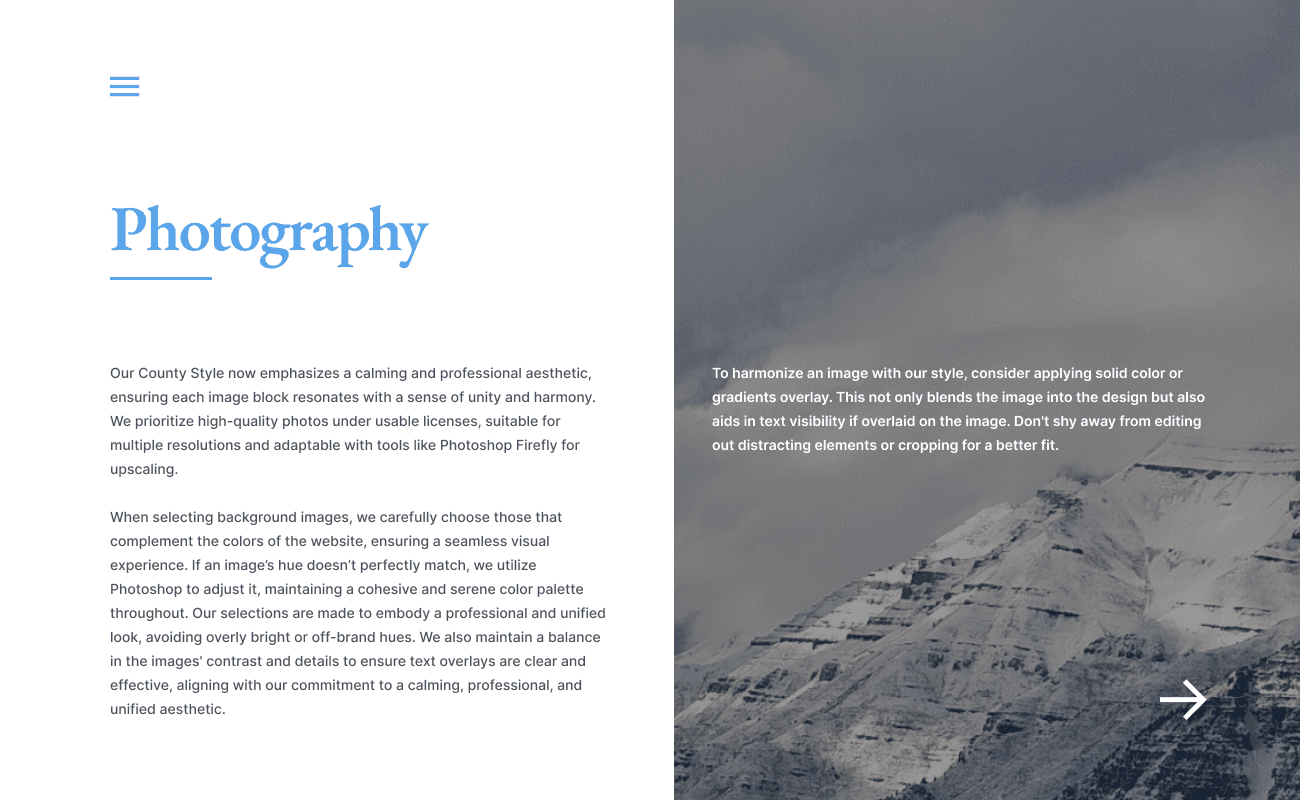
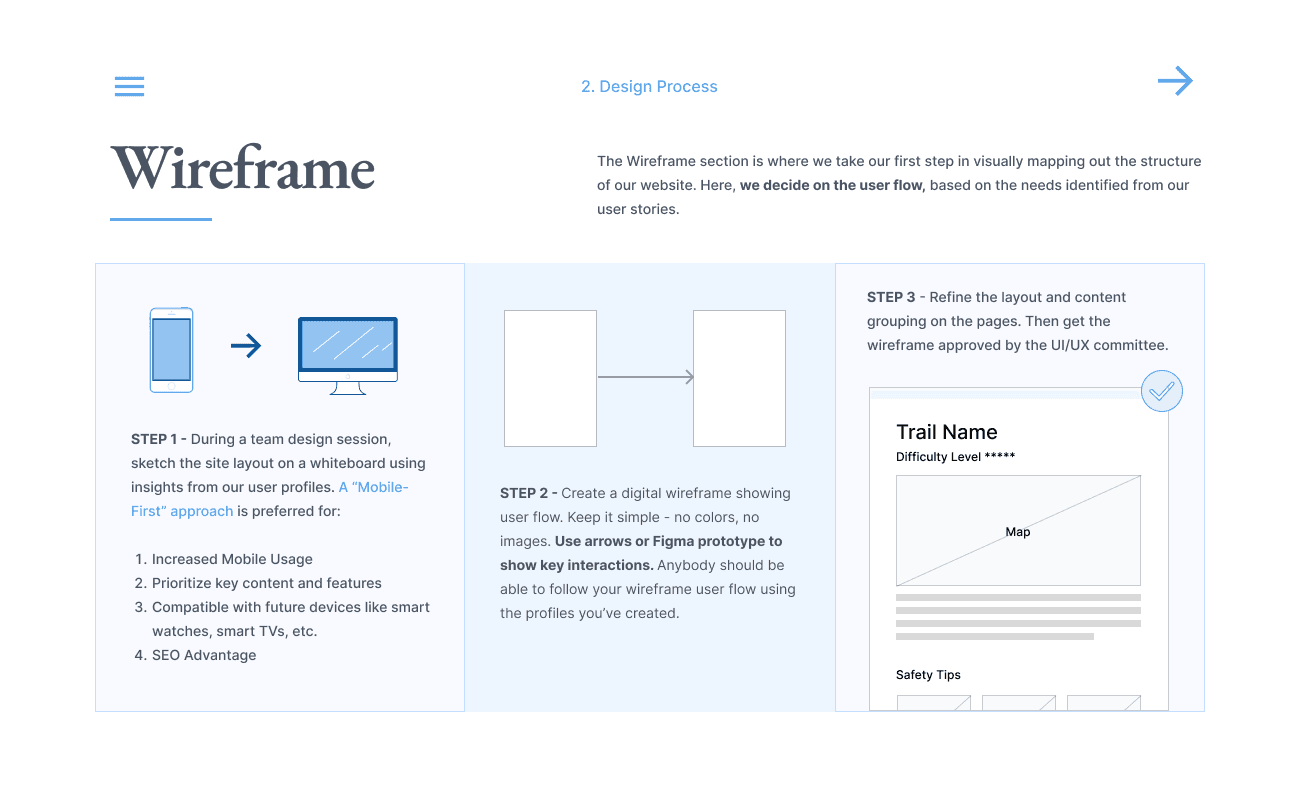
Key results that unlocked the next phase
- User
- 4.2/5 user satisfaction through embedded Qualtrics surveys
- Stakeholder
- Turned skepticism into genuine excitement in meetings
- Internal Team
- Expanded my solo project into a collaborative UX initiative
02 Build The System
Diagnosing Execution Failures
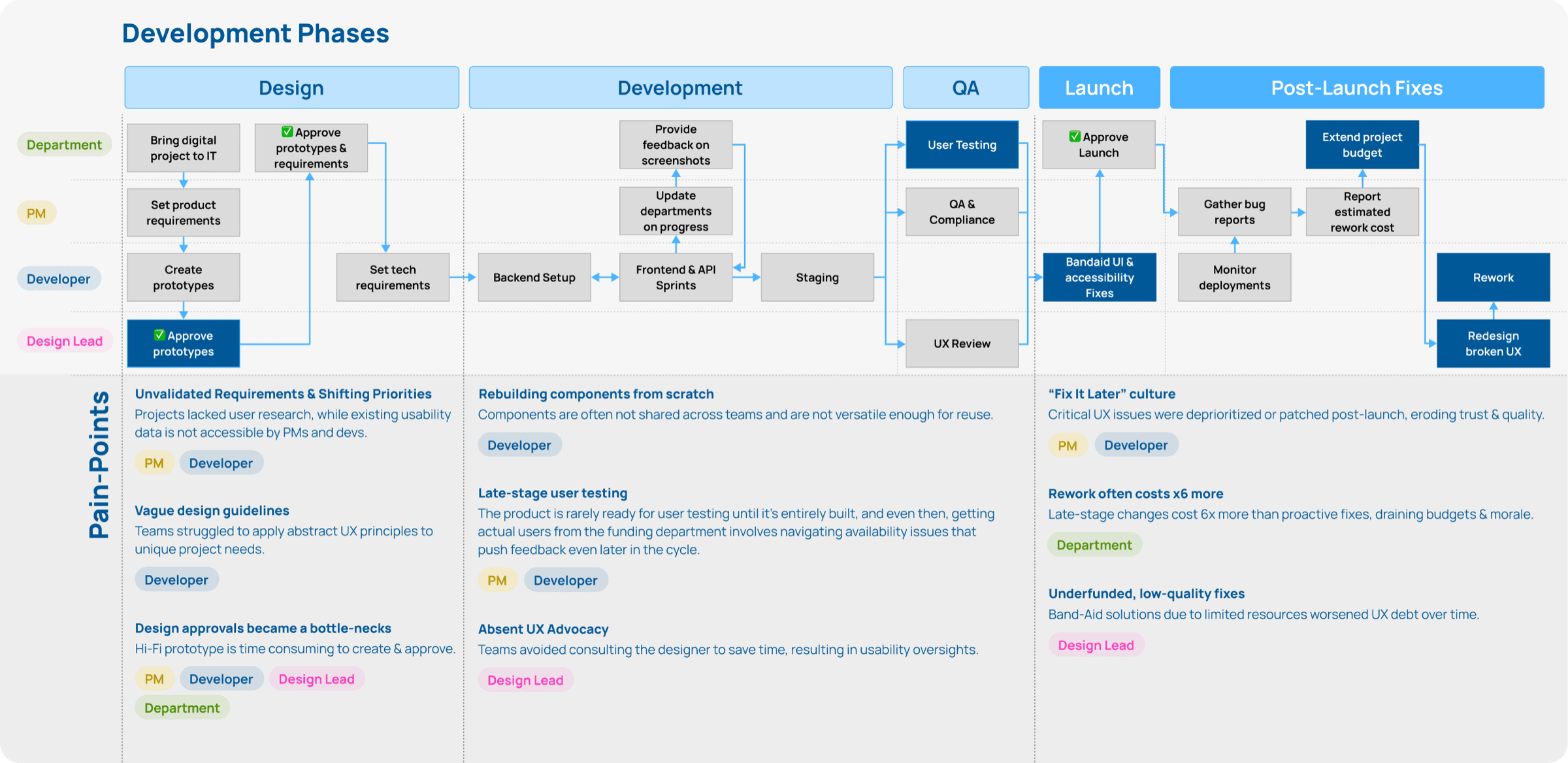
The new UX standard of the pilot struggled to scale, so I interviewed dev teams to diagnose the systemic problem. My research revealed 3 interconnected problems spanning all parts of our operational system: our tools, our process, and our people. This was how I solved them:
Dev-Friendly Design System
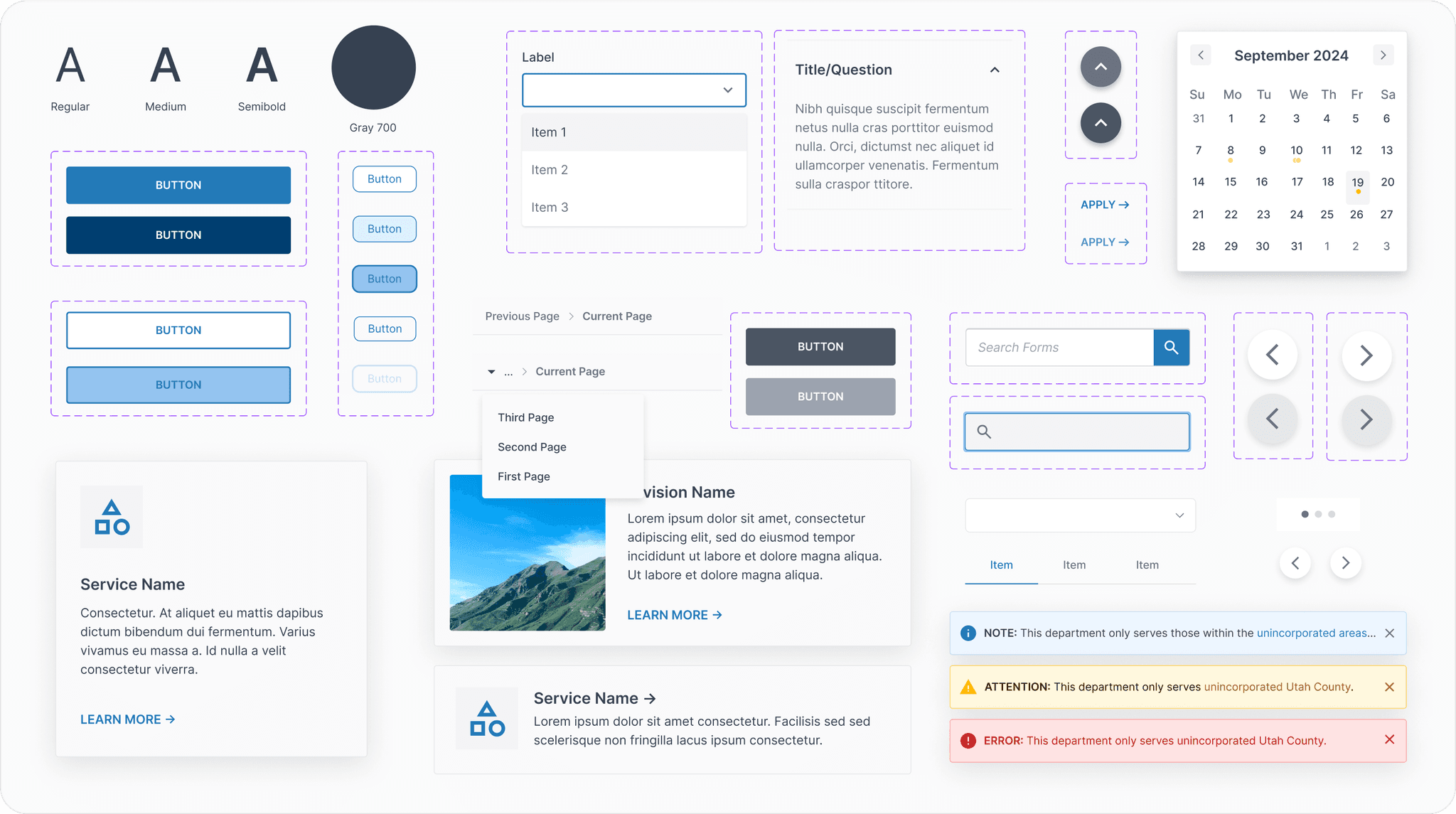
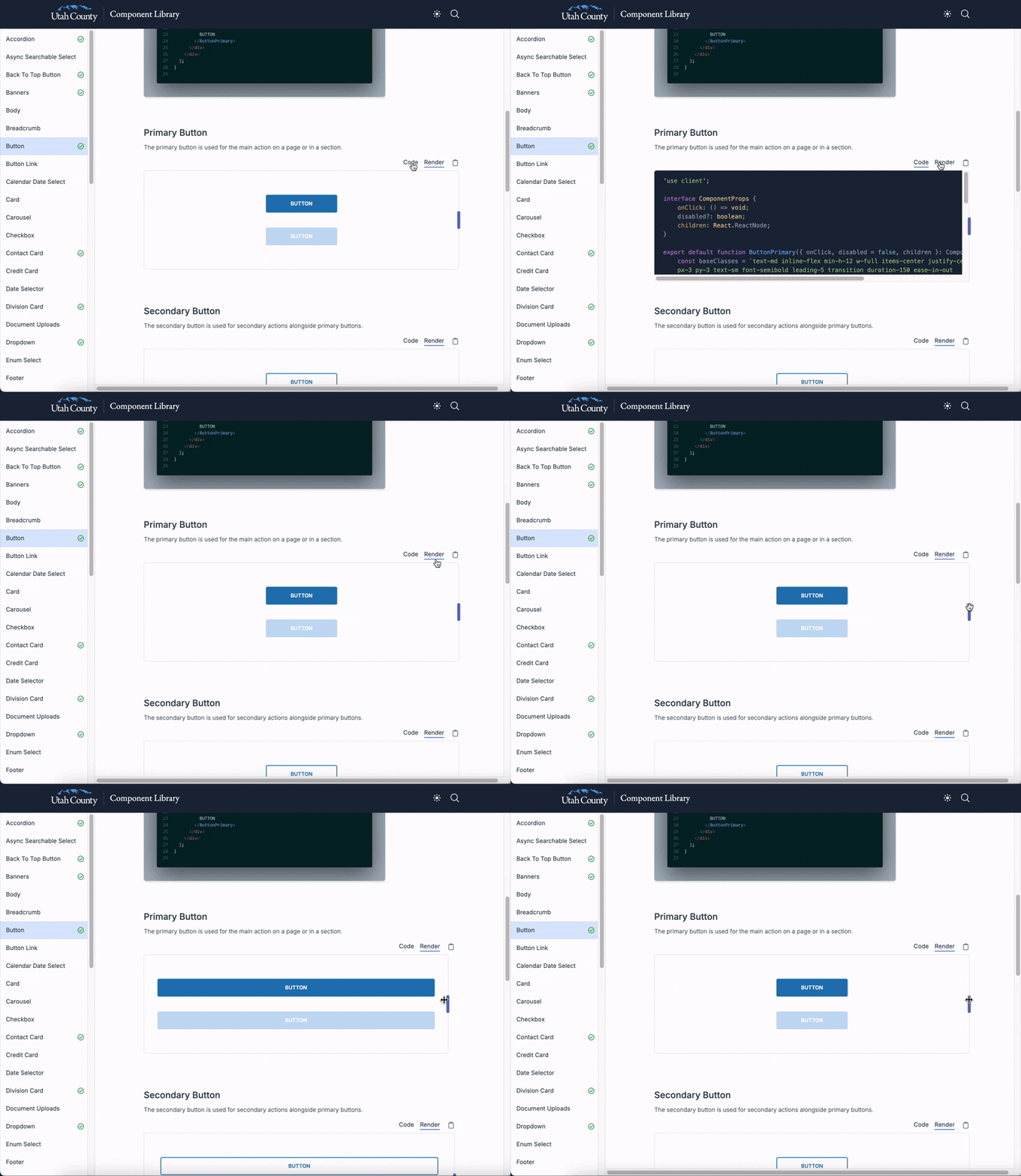
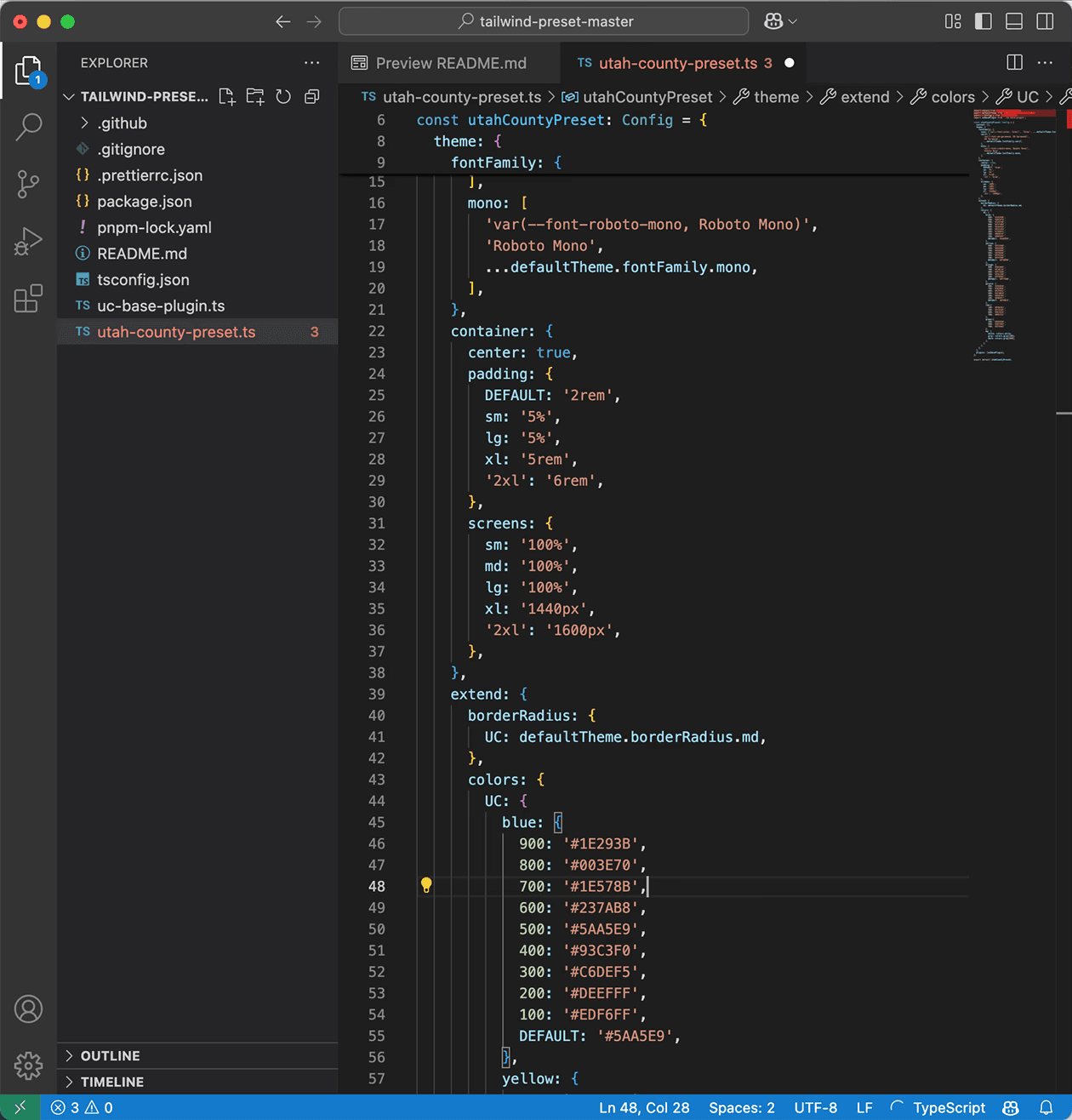
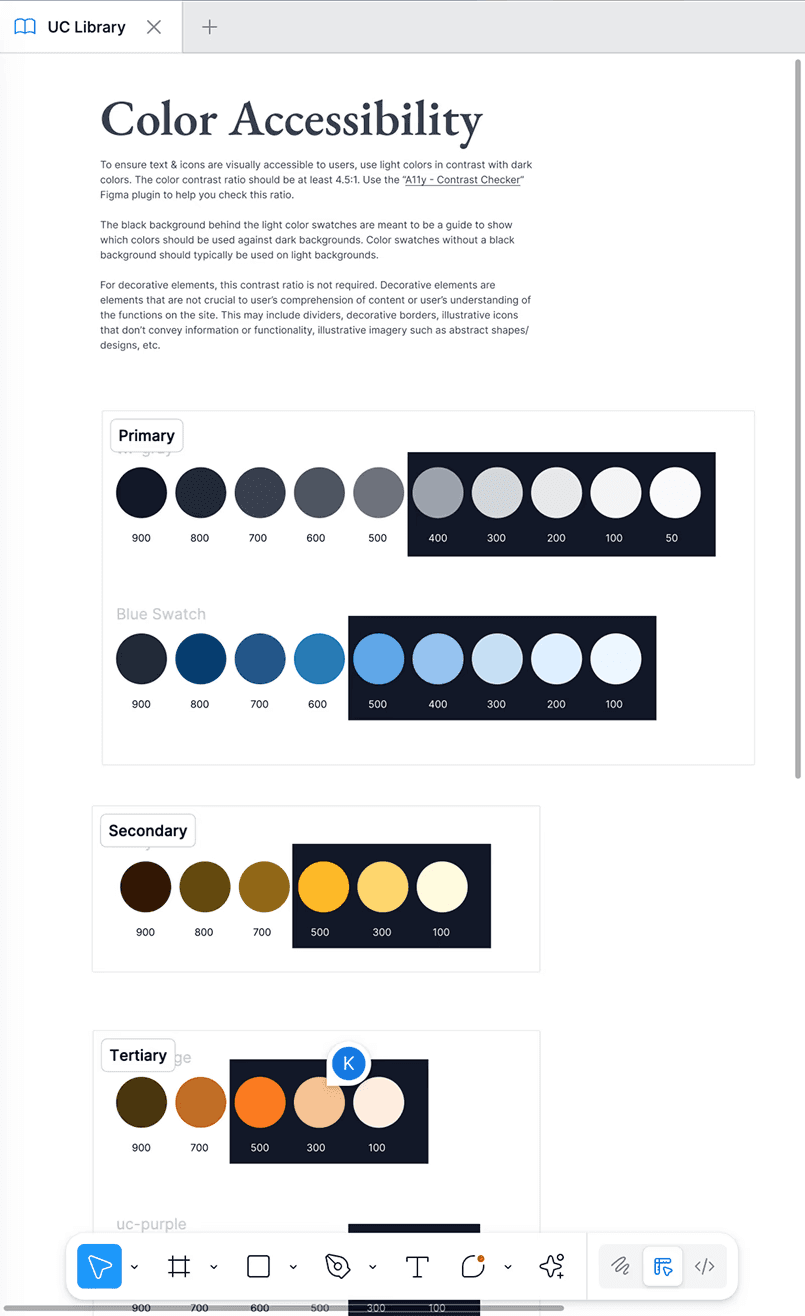
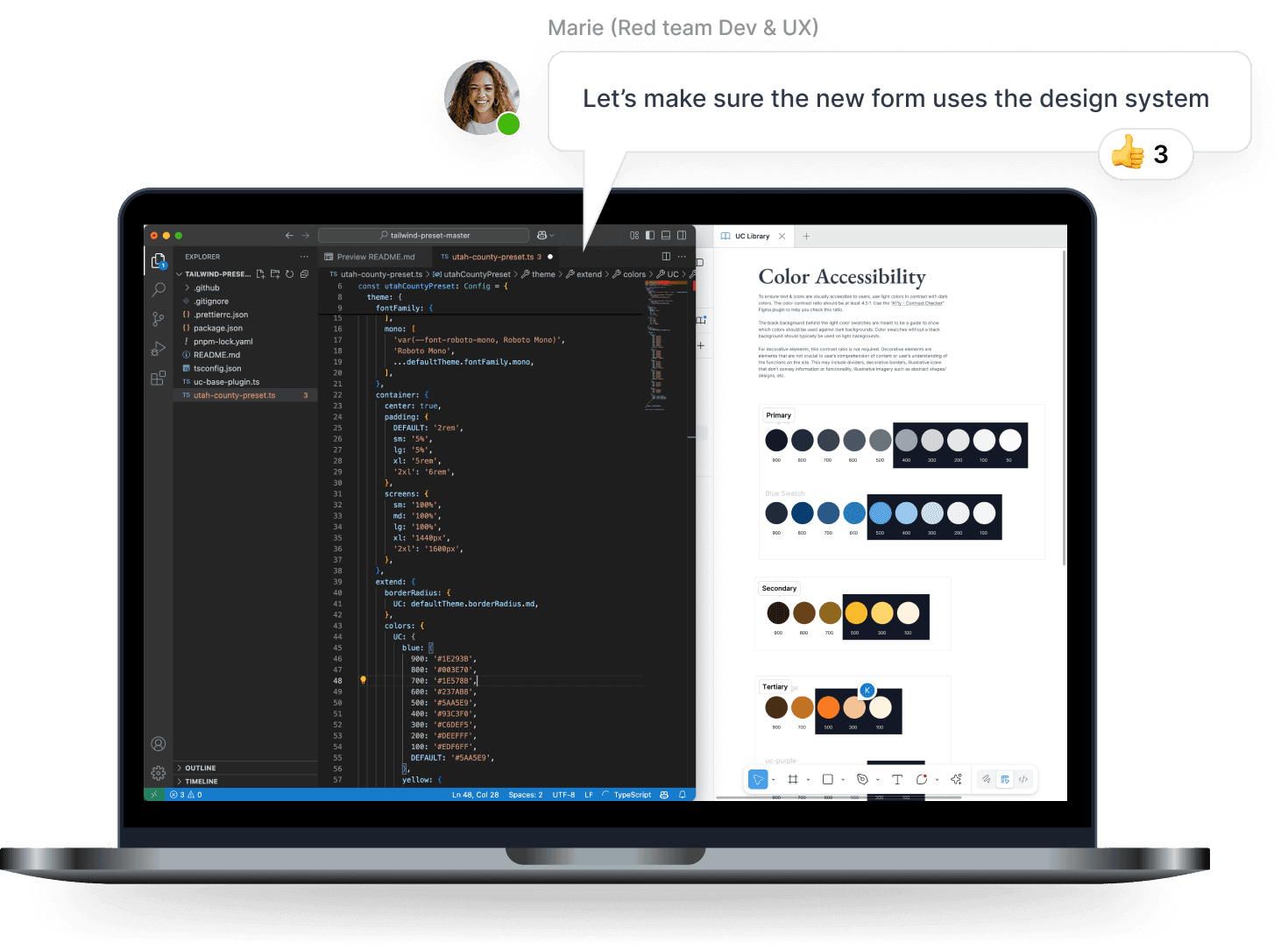
We identified the most common layout patterns and created modular components and templates for them. We then created a straightforward copy/paste component library paired with a Tailwind theme package. This approach gave developers maximum ease of customization, enabled easy batch updates across all services, and provided built-in WCAG 2.2 compliance.
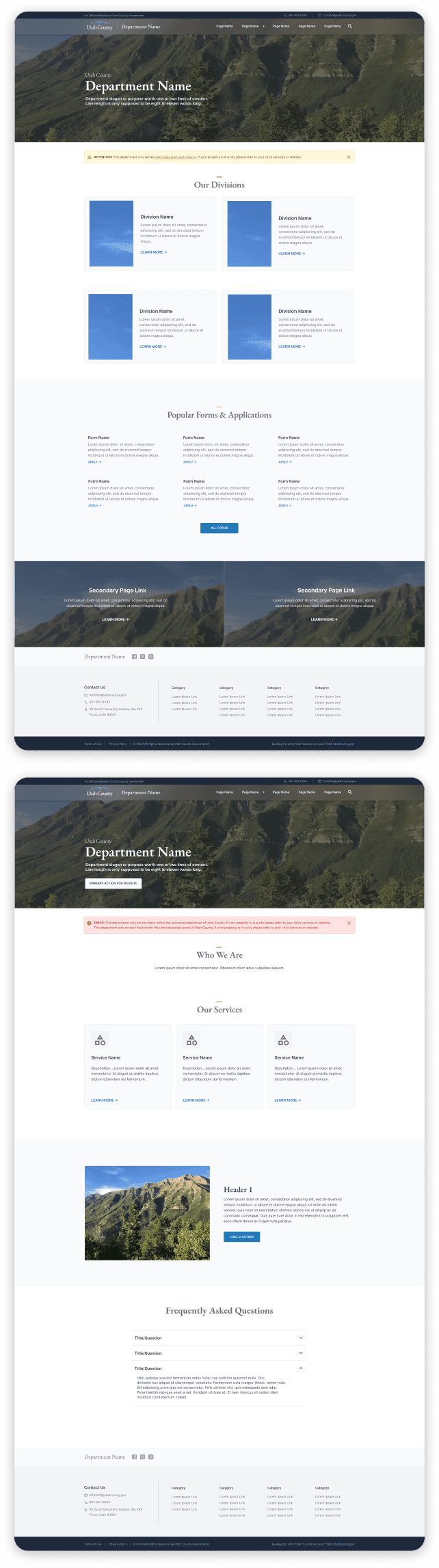
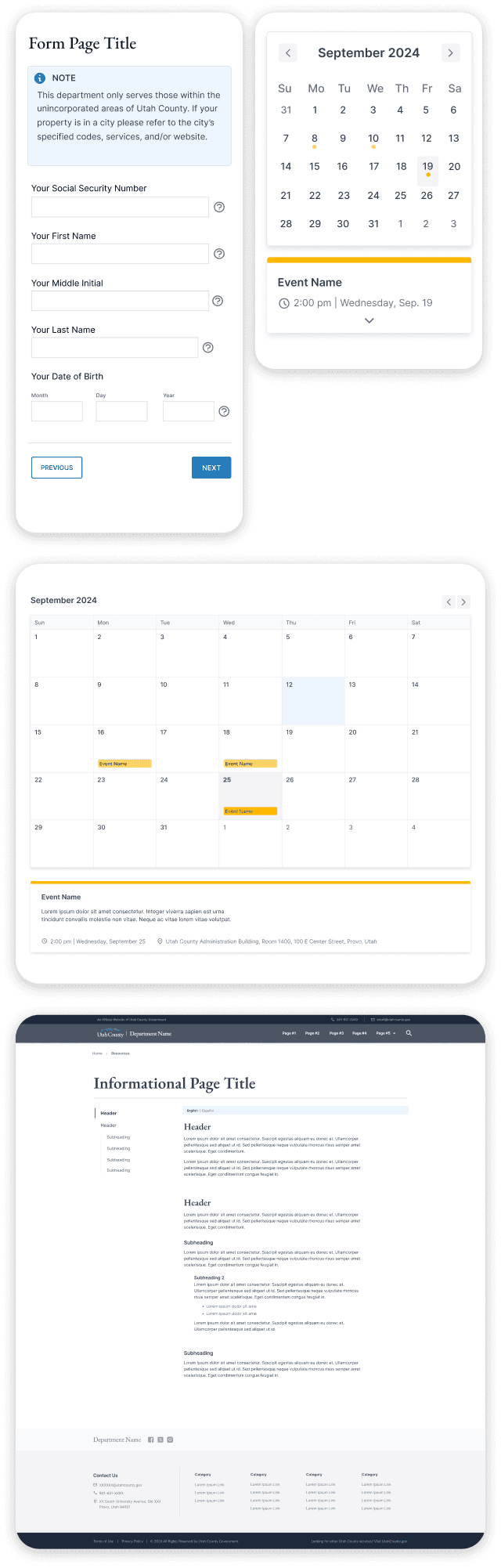
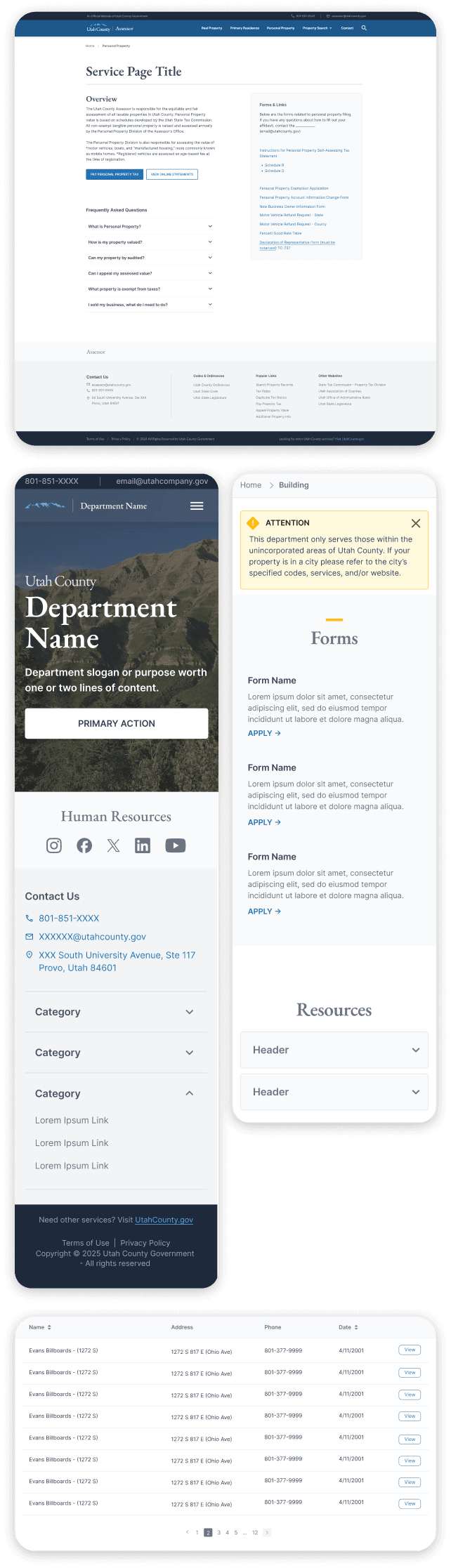
Hybrid Workflow
We replaced the rigid waterfall process with an agile workflow that integrated design thinking principles and asynchronous UX testing, eliminating late-stage rebuilds.
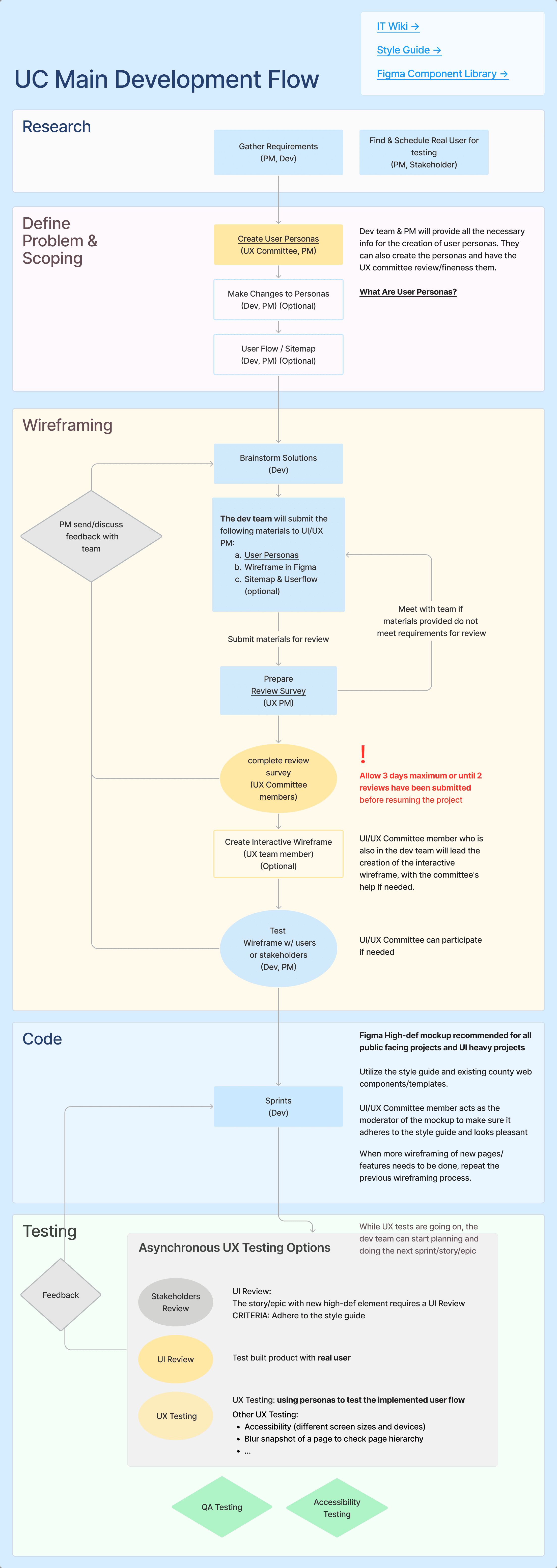
Research & Define
Schedule users for current & future research.
Personas, flow & sitemap creation.
Project ManagerDepartmentUX DesignerPublic User
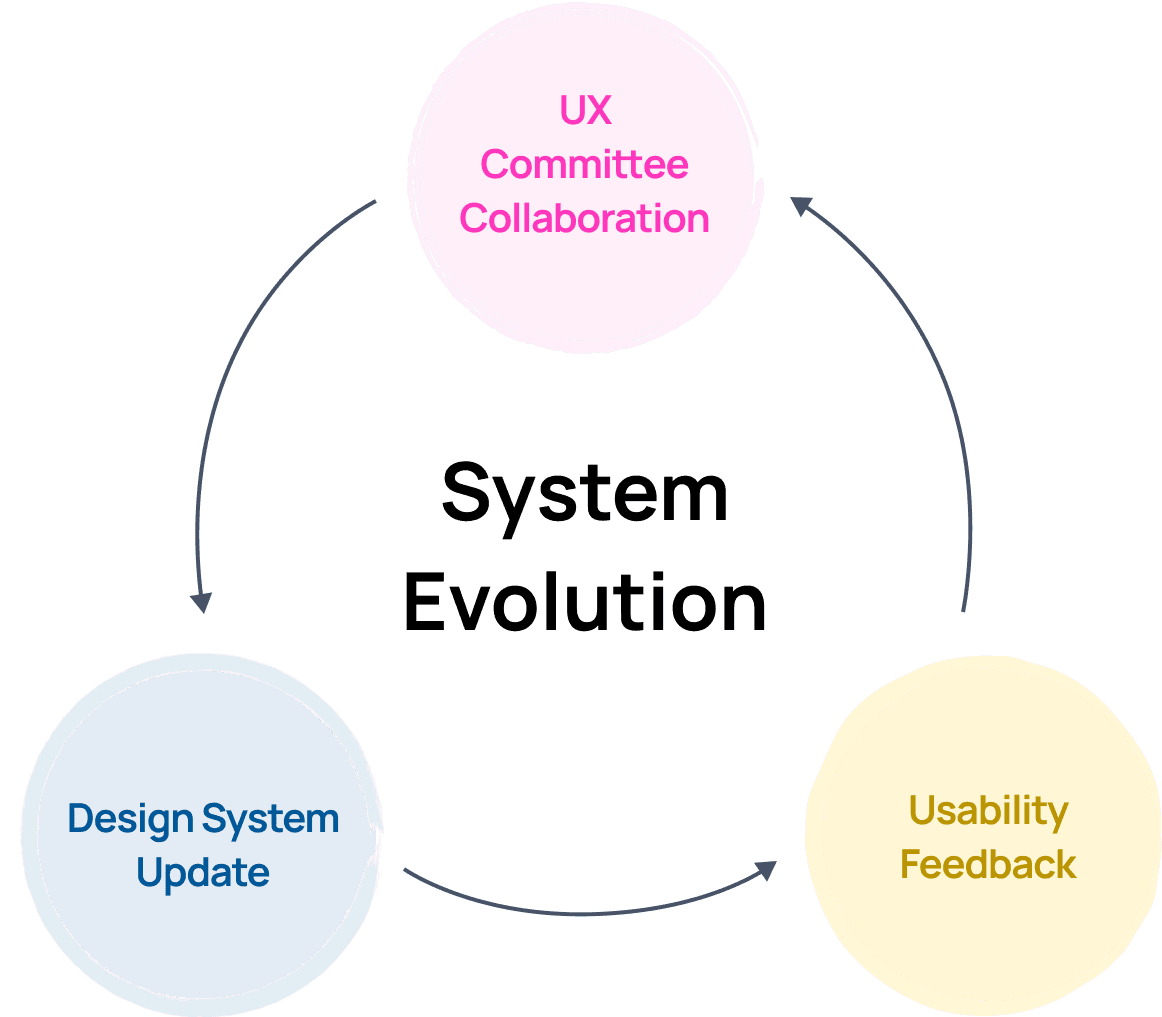
A Federated UX Committee
To eliminate quality control bottleneck and ensure the design system's continual evolution, I led a UX committee consisted of representatives from each development team. This way the design system can benefit from a deeper understanding of product needs while each design representative can ensure the smooth application of the design system within their team.
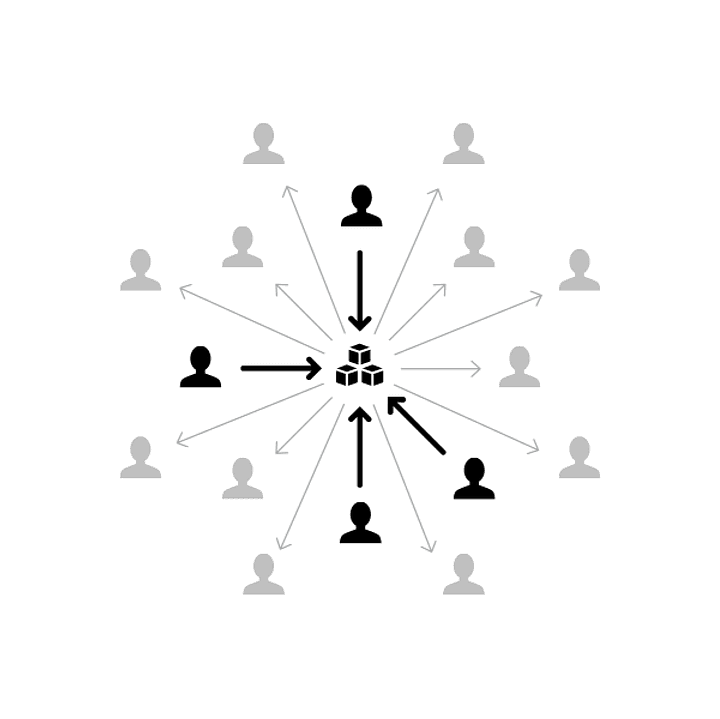
03 Scaling
The pilot departments, now our strongest advocates, presented their success stories during county agenda meetings. Their testimonials, backed by our data on improved efficiency and user satisfaction, created unanimous support and were the deciding factor in securing the full $3.3 million from the county's IT upgrade fund.
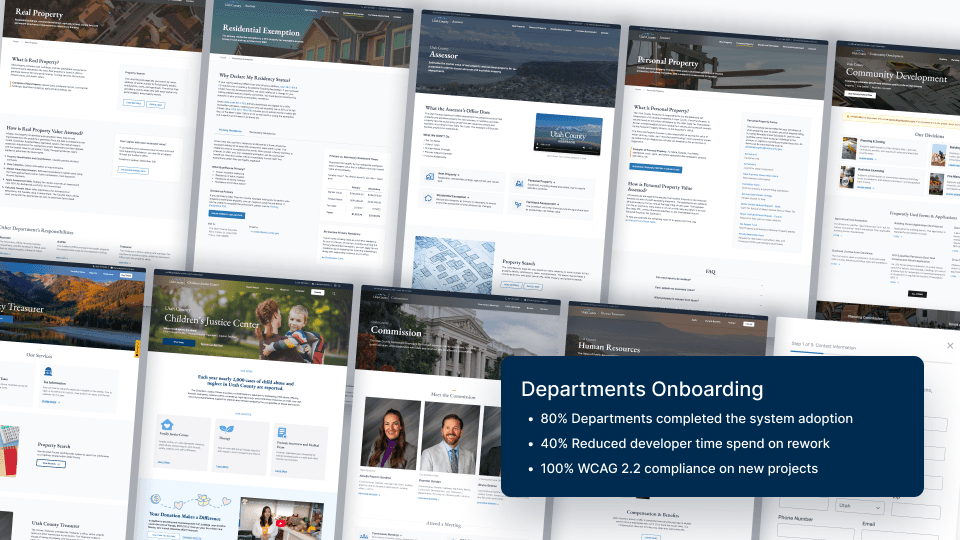
Impact
National Recognition
Our redesign effort was recognized by the National Association of Counties (NACo) in 2024 for its best-in-class improvements to digital service delivery.

Sustainable Foundation
Most importantly, we successfully laid the foundation for a sustainable UX future within the Utah County Government.